
Walking Your Senior Dog: How to Adjust Exercise as They Age
There's something special about senior dogs. After years of adventures, familiar routines, and plenty of memories together, they often settle into a slower, more relaxed stage of life.
But just because your dog is getting older doesn't mean they should stop enjoying their daily walks.
In fact, appropriate exercise and mental stimulation can remain important parts of your dog's well-being throughout their senior years.
The key is understanding how their needs may be changing and making adjustments that help them stay active and happy.
Whether your dog is beginning to slow down or has been enjoying their golden years for a while, here are some practical ways to make daily walks more enjoyable.

As an Amazon Associate, Sunshine Pets earns from qualifying purchases. This post may contain affiliate links, which means we may earn a small commission at no additional cost to you.
When Is a Dog Considered a Senior?
There isn't one specific age when every dog becomes a senior.
A dog's size, breed, genetics, and overall health all influence how quickly they age.
Larger dogs often reach their senior years earlier than smaller breeds, and two dogs of the same age can have very different energy levels and abilities.
Rather than focusing only on your dog's age, pay attention to changes in their behavior, mobility, and stamina.
You might notice that your dog:
Takes longer to get up after resting
Walks more slowly than they used to
Tires more easily during exercise
Hesitates before climbing stairs or jumping
Seems stiff after sleeping
Prefers shorter outings or more frequent breaks
These changes can be associated with aging, but they can also indicate pain or an underlying health condition.
If you notice new or worsening changes in your dog's mobility or exercise tolerance, it's worth discussing them with your veterinarian.
Do Senior Dogs Still Need Daily Walks?
For many senior dogs, regular walks remain an great way to support physical activity and mental engagement.
Gentle movement can help maintain mobility and muscle tone. Walks also provide opportunities to explore the world around them.
However, there's no single walking schedule that's right for every older dog.
A healthy, active senior may still enjoy longer neighborhood walks, while a dog with certain health conditions may need shorter, carefully managed outings.
Your veterinarian can help determine what level of activity is appropriate for your dog's health.
Consistency Is Often More Helpful Than Occasional Big Adventures
For many older dogs, a predictable routine with manageable amounts of activity is easier than alternating between very little exercise and unusually long outings.
Think comfortable, regular movement rather than trying to cover a certain number of miles.
How Long Should You Walk a Senior Dog?
The answer depends on your dog's individual health, mobility, fitness, and comfort.
Some senior dogs may enjoy a 30-minute walk, while others may do better with several short outings throughout the day.
Instead of choosing a walking duration based on age alone, consider:
How comfortably your dog moves at the beginning of the walk
Whether their pace changes as the walk continues
How they behave when they return home
Whether they seem unusually tired, sore, or stiff afterward
Any exercise restrictions recommended by their veterinarian
If your dog has an ongoing medical condition, ask your veterinarian about suitable walking duration and intensity.
Shorter Walks Can Still Be Meaningful
A shorter walk doesn't have to be less rewarding.
Even a leisurely outing around the neighborhood can offer fresh air, gentle movement, and opportunities for mental stimulation.
For some senior dogs, two or three shorter outings may be more comfortable than one long walk.
The goal isn't to tire your dog out. It's to provide an enjoyable experience that supports their individual needs.
6 Ways to Make Walks Better for Senior Dogs
1. Let Your Dog Set the Pace
One of the simplest adjustments you can make is slowing down.
Older dogs may need extra time to get moving, navigate uneven surfaces, or investigate interesting smells.
Instead of encouraging your dog to keep up with your usual pace, allow them to walk at a comfortable speed. A relaxed stroll can be just as worthwhile as a brisk walk.
2. Make Time for Sniffing
Dogs experience much of their world through scent.
Allowing your senior dog to stop and sniff can make a short walk mentally engaging without requiring a lot of additional physical effort.
You might be surprised how much your dog enjoys investigating the same familiar patch of grass!
If your dog isn't up for a long outing, a short sniff-focused walk can be a wonderful alternative.
Related reading: Easy Ways to Make Your Dog's Daily Walk More Enriching
3. Choose Comfortable Walking Routes
Not every route is equally suitable for an older dog.
Consider choosing:
Relatively flat sidewalks or paths
Familiar neighborhoods
Routes with shaded areas
Surfaces with secure footing
Places where you can easily shorten the walk if needed
Avoid pushing your dog through steep hills, slippery surfaces, or difficult terrain if those conditions cause discomfort.
Here in Kailua and Windward Oʻahu, warm pavement and humidity are also worth considering when planning outdoor activity.
4. Pay Attention to the Weather
Senior dogs may have health conditions that make hot or humid weather harder to tolerate.
In Hawaiʻi, it's especially important to consider the temperature, sun exposure, and walking surface before heading outside.
When conditions are warm, choose cooler times of day when possible, provide access to water, and watch for signs of overheating.
If your dog has heart or respiratory disease, ask your veterinarian whether additional precautions are needed.
Related reading: How to Keep Your Dog Cool in Hawaiʻi's Heat
5. Consider Comfortable Walking Equipment
As dogs age, comfortable, well-fitting equipment can become increasingly important.
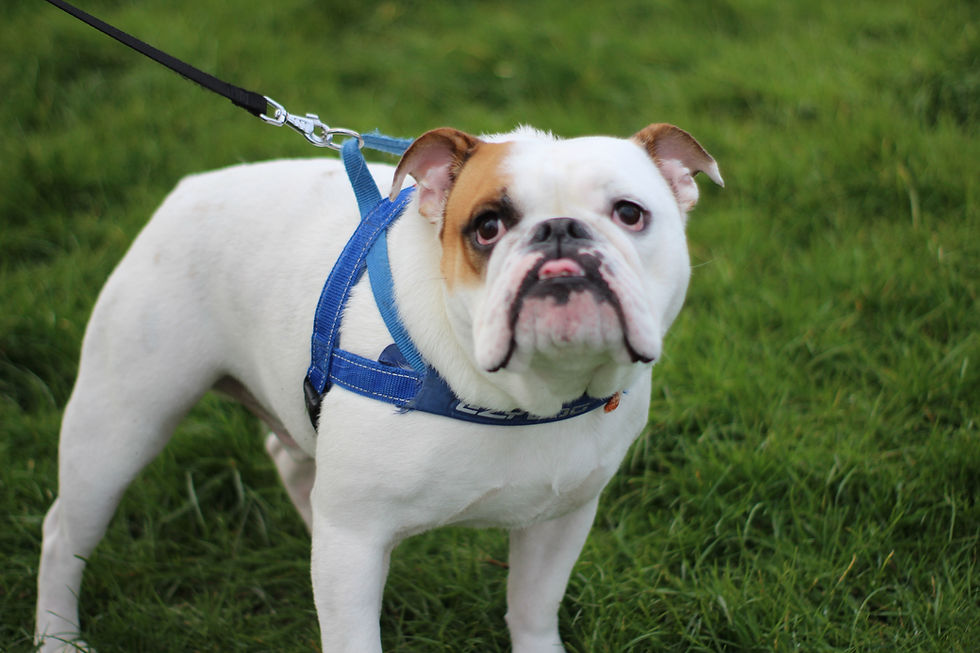
A properly fitted harness may be helpful for some dogs, particularly those who are sensitive to pressure around their neck.
However, the right equipment depends on your dog's body shape, mobility, and medical needs.
If your dog needs physical support while walking, ask your veterinarian or a qualified canine rehabilitation professional about suitable options.
6. Build in Time to Rest
Senior dogs may need more time to recover from physical activity.
Allow your dog to rest after outings and pay attention to how they move later in the day.
If they seem unusually tired, reluctant to move, or more uncomfortable after a walk, the activity may need to be adjusted.
Signs Your Senior Dog May Need a Break
Knowing when to slow down or stop is an important part of caring for an aging dog.
Watch for signs such as:
Falling behind or repeatedly stopping
Limping or an unusual gait
Reluctance to continue walking
Excessive panting relative to the conditions
Difficulty standing or moving comfortably
Unusual fatigue after exercise
Stop the activity if your dog appears uncomfortable.
Sudden weakness, collapse, severe breathing difficulty, or signs of heatstroke require urgent veterinary attention.
Remember that dogs don't always vocalize when they're in pain. Changes in movement and behavior can be important clues.
Don't Forget Mental Enrichment
Physical exercise is only one part of a senior dog's routine.
Mental enrichment can provide enjoyable opportunities for engagement, even when mobility becomes limited.
A few gentle ideas include:
Sniff walks: Let your dog investigate familiar outdoor areas at their own pace.
Easy treat searches: Hide a few appropriate treats in accessible places and encourage your dog to find them.
Simple training games: Practice familiar cues or easy new skills using positive reinforcement.
Food puzzles: Choose beginner-friendly puzzles or feeding toys appropriate for your dog's abilities and diet.
Quiet outdoor time: Some dogs simply enjoy spending time outside, watching the neighborhood, and taking in familiar scents.
Always adjust enrichment activities to your dog's comfort, physical abilities, and dietary needs.
How a Professional Dog Walker Can Help Senior Dogs
As dogs get older, their routines may need a little extra flexibility.
Some benefit from shorter walks, more frequent bathroom opportunities, or additional attention during the day.
For busy pet parents, providing those breaks consistently can be challenging.
A professional dog walker who understands your dog's individual needs can help maintain a comfortable routine while you're at work or away from home.
When choosing a walker for a senior dog, look for someone who is patient, observant, and willing to adjust the pace and duration of outings.
They should also be comfortable following veterinary instructions and communicating any concerning changes they notice.
At Sunshine Pets, we believe dog walking should be personalized to each pet.
Whether your older dog enjoys a leisurely neighborhood stroll, a shorter bathroom break, or a little extra time to sniff and explore, our goal is to provide thoughtful care that respects their individual needs.
Helping Your Senior Dog Enjoy Their Golden Years
Getting older doesn't mean the adventures have to stop. Sometimes they simply look a little different.
A slower walk, a familiar route, and a few extra sniff breaks can still bring plenty of enjoyment to your dog's day.
The most important thing is to pay attention to what your dog is telling you and adjust their routine as their needs change.
With appropriate exercise, enrichment, veterinary guidance, and plenty of patience, senior dogs can continue enjoying meaningful daily activities throughout their golden years.
Looking for Personalized Dog Walking in Kailua?
If your senior dog could benefit from gentle, individualized walks or additional daytime check-ins, we'd love to learn more about them.
Sunshine Pets provides personalized dog walking and pet-care services in Kailua and surrounding Windward Oʻahu communities.


Comments